01
Wetting & contact behavior
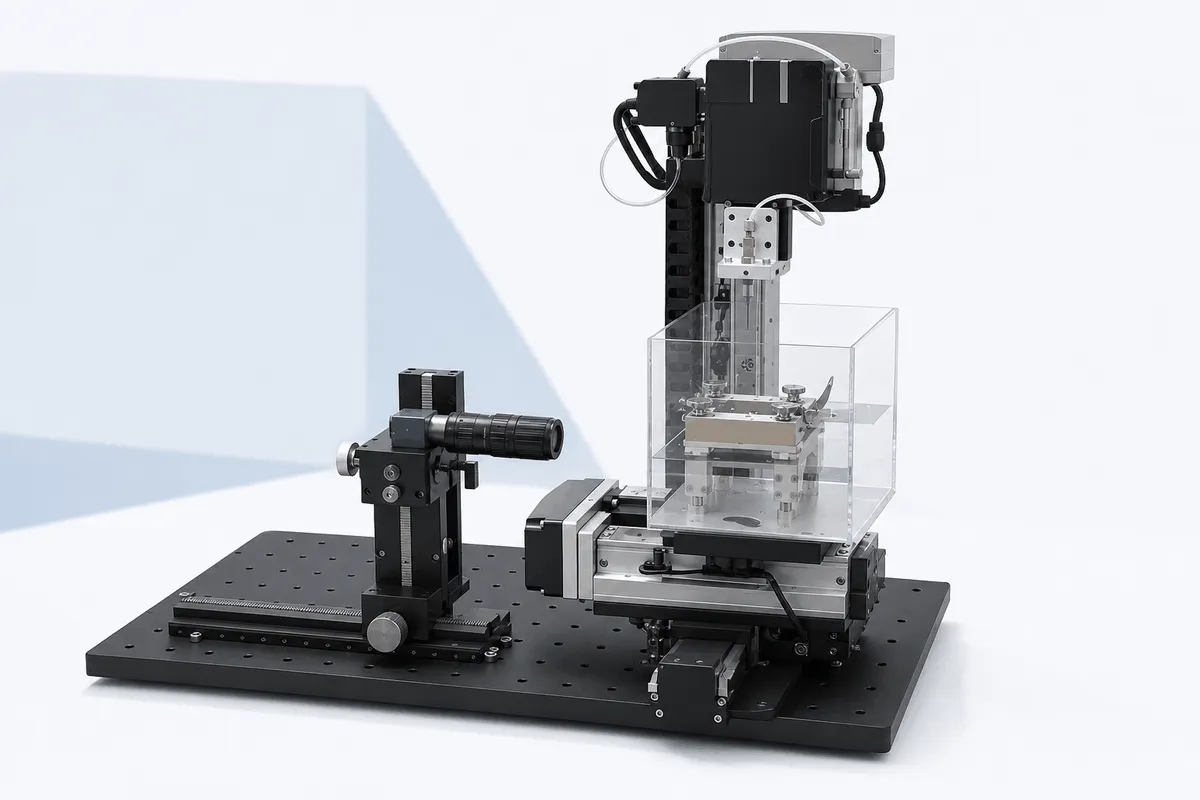
Observe how droplets, bubbles and a material surface meet to study wetting and interface behavior.
View DCAA-101-> 衡微宏INTERFACE INSTRUMENTS
This page helps identify the research question and observation direction. Specific capabilities, images and configurations are explained on the product pages.
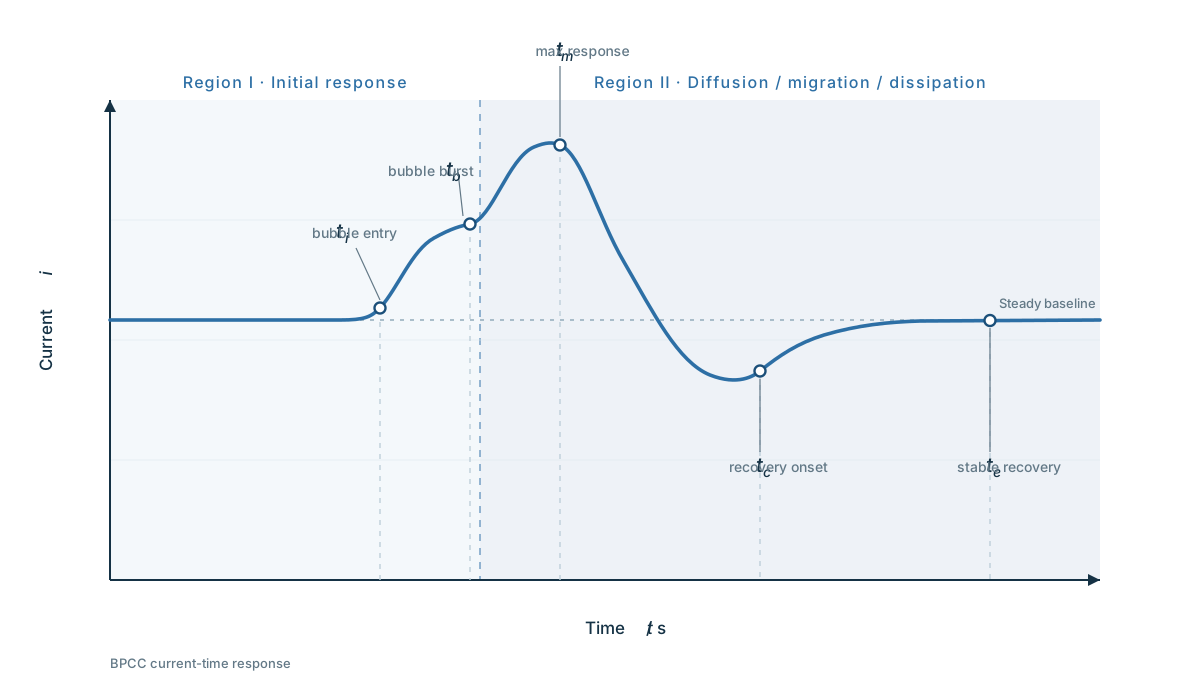
BPCC (Bubble Pump Consumption Chronoamperometry) is an in-situ method: under constant potential, a metered bubble is injected onto the gas diffusion electrode surface, and the characteristic nodes of the current-time curve resolve the bubble transport process, enabling calculation of porosity φ, effective active-site density ρEC and gas diffusion coefficient D. The full method, system composition and workflow are on the BPCC-A product page.
Observe how droplets, bubbles and a material surface meet to study wetting and interface behavior.
View DCAA-101->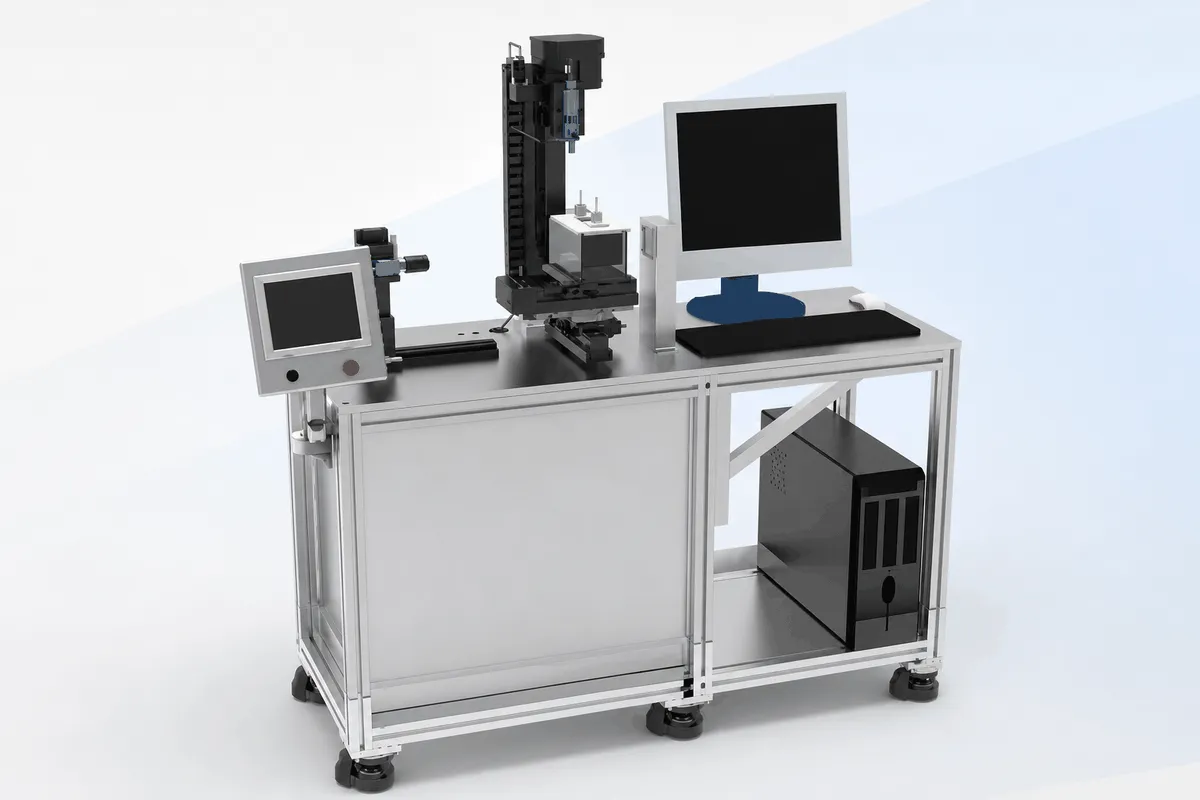
Organize in-situ evaluation and multi-position testing around pores, wetting and gas transport in GDE / GDL materials.
View BPCC-A->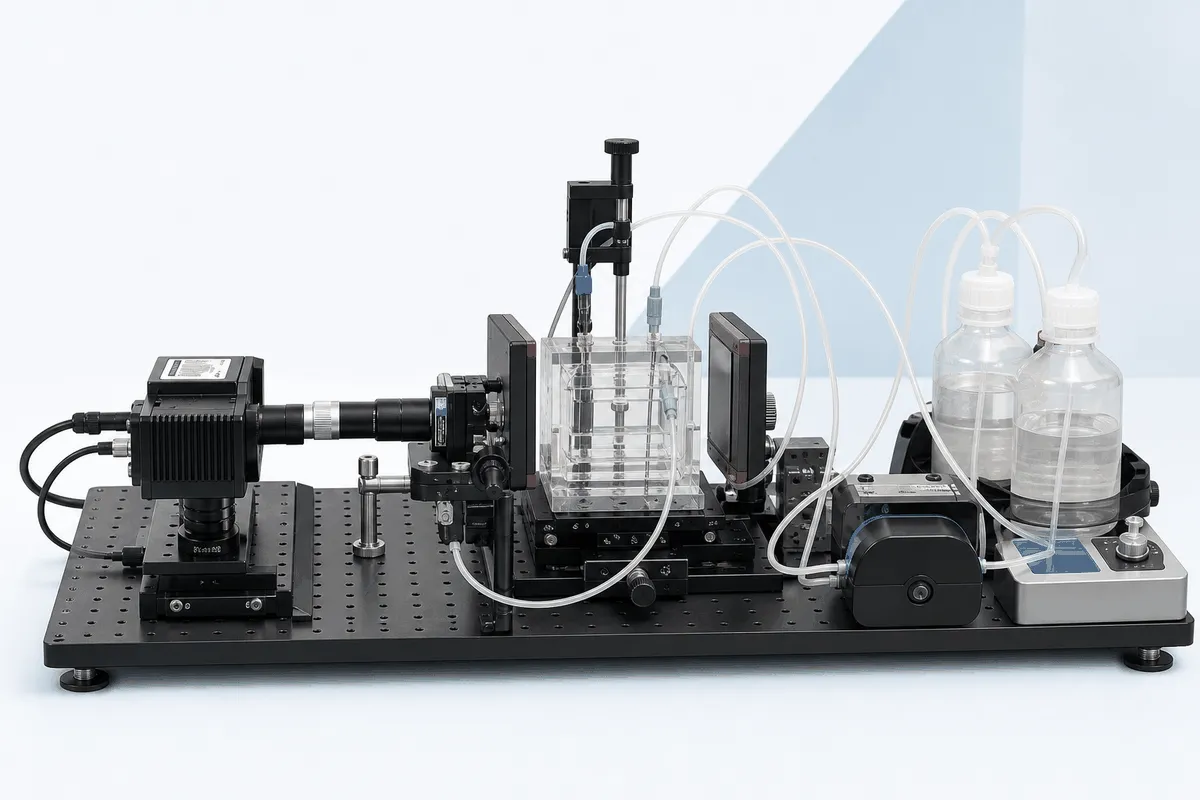
Record bubble formation, growth, coalescence and detachment to study interface changes during gas evolution.
View WEBA-101->